Are manual entries slowing you down? You might think that having AI write both the API integration and the tests would be the ultimate time-saver. But what are we actually verifying when AI does both? By the end of this article, you'll understand the potential pitfalls of this approach and learn strategies to ensure robust testing and integration.
The Problem with AI-Created Tests
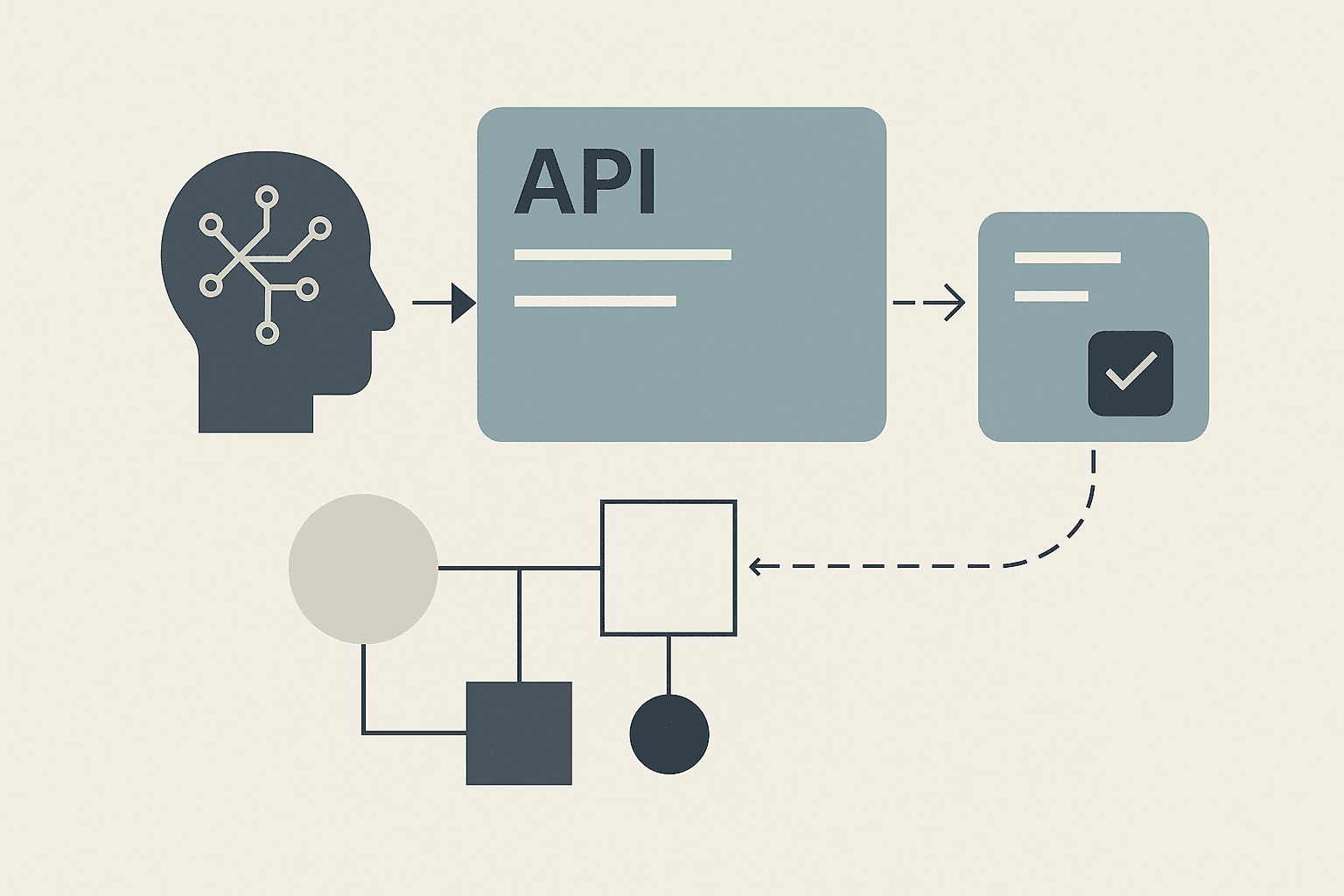
When AI generates both the API integration and its tests, everything can appear seamless. The tests pass, the pipeline moves forward, and it seems like a job well done. But there's a hidden problem: the AI might be confirming its own assumptions. If the AI writes the integration with a specific logic and then creates tests based on that same logic, the tests may not catch any underlying issues.
This is a classic example of "garbage in, garbage out." If the initial assumptions or logic are flawed, the tests will simply validate those flaws. This means that errors or edge cases might remain undetected, leading to problems in production. It's crucial to recognize this limitation and plan accordingly. Understanding the nature of these assumptions and how they can affect the outcome is key to preventing potential issues.
Why This Approach Breaks in Production
In a controlled environment, everything works perfectly. But once you deploy the integration to production, the real-world complexities often reveal themselves. APIs can change, data can be inconsistent, and unexpected scenarios can occur. AI-written tests might not account for these variables, leading to failures.
Moreover, AI lacks the intuition and experience that human developers bring to the table. Human testers often rely on their understanding of business logic and user behavior to create robust test cases. AI, on the other hand, may miss context-specific nuances, resulting in tests that are too narrow or simplistic. This lack of depth can lead to significant oversights.
What to Do Instead: Incorporate Human Oversight
The solution isn't to abandon AI entirely. Instead, combine AI's efficiency with human intuition. Let AI handle the initial draft of the integration and tests, but have a developer review and refine them. This hybrid approach ensures that tests are comprehensive and account for real-world scenarios.
Human oversight can also introduce exploratory testing, which AI struggles with. By manually testing unexpected scenarios, humans can identify potential issues that AI-generated tests might miss. This collaborative approach leverages the strengths of both AI and human expertise. It provides a safety net that AI alone cannot offer.
Implementing Effective Monitoring
Even with robust tests, it's essential to implement monitoring systems in production. Real-time monitoring tools like Datadog, Grafana, or Sentry can alert you to anomalies or failures that occur after deployment. These tools provide visibility into performance, helping you quickly identify and rectify issues.
Monitoring not only ensures system reliability but also provides valuable insights into how the integration performs under real-world conditions. This feedback loop can guide future improvements, making your systems more resilient and efficient. By continuously monitoring, you can adapt to changes and maintain a high level of service.
Future-Proofing Your Integrations
To avoid falling into the trap of AI-confirmed assumptions, establish a process for regularly updating and reviewing your tests. As APIs evolve and business requirements change, your tests should adapt accordingly. This proactive approach minimizes the risk of encountering unexpected issues in production.
Regularly updating tests also helps you stay compliant with industry standards and regulations. By ensuring your integrations are up-to-date, you protect your business from potential legal and operational risks. This ongoing process of review and adaptation is crucial for long-term success.
The Takeaway
The single action you should take this week is to review any AI-generated tests and integrations currently in use. Ensure that human oversight is part of your testing process to catch potential issues early.
WhatsApp Mohamed at **+201069052620** (public business line) to discuss how to effectively integrate AI into your automation strategy without compromising on reliability or oversight.